

Protein bars have gained tremendous popularity over the years, as they are a convenient way to consume a protein- and energy-rich snack on-the-go.
According to a report by Grand View Research, the global protein bar market size was valued at USD 2.12 billion in 2020 and is expected to grow at a CAGR of 6.5% from 2021 to 2028. North America is the largest market for protein bars, followed by Europe and Asia-Pacific.
Protein bars have undergone significant evolution in terms of their taste and consistency, ingredient content, nutritional content, appearance, and packaging. These changes have largely been driven by evolving consumer needs and particularly, the adoption of protein bars by the mainstream market.
I have observed the protein bar market for years and have had the chance to sample a lot of protein bars too, including “prototype” bars sent to me by international manufacturers for evaluation. In this article, we take a look at how protein bars made its way from niche to mainstream.

Weider’s Mr. America Bars. One of the earliest protein bars intended for the bodybuilding market. Source: https://www.thebarbell.com/the-history-of-protein-bars/ (excellent article showcasing earlier protein bar brands
Evolution from chewy fudge-type bars to multi-layer bars with whole food ingredients.
Protein bars have evolved significantly over the years from simple, hard, and chewy bars to more complex and multi-layered versions.
In the early days, protein bars were mainly designed for athletes and bodybuilders who needed a quick and convenient source of protein. These bars were often dense and tough, making them challenging to chew and swallow.
However, as the demand for protein bars increased, manufacturers started experimenting with different ingredients and flavors to make them more palatable.
A big challenge in the protein bar business is the ability to maintain a consistent texture throughout the shelf life of the product. Some bars can dry out and become a mission to eat and others can melt. While it is relatively easy to make protein bars at home, creating stable commercial bars is a completely different story!
To solve this issue, food technologists started developing bars with softer textures, and eventually, the creation of multi-layered bars that featured various ingredients like nuts, seeds, and chocolate and soy/ whey protein crisps.
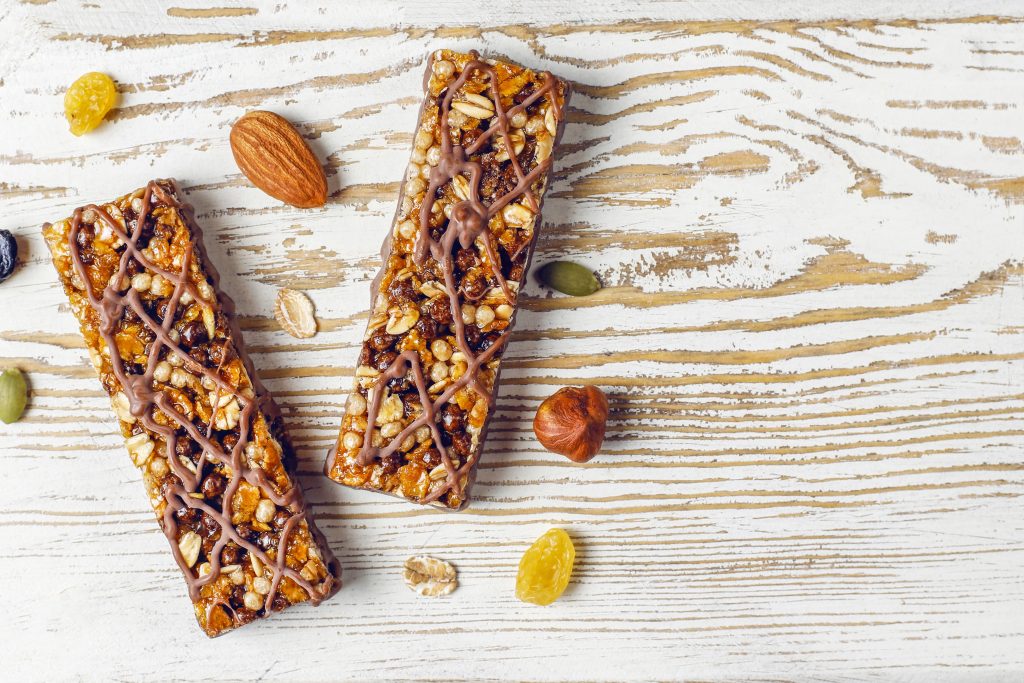
Image by azerbaijan_stockers on Freepik
The rise of low-carb bars
Low-carb bars came into existence as a response to the growing demand for snacks that could be included in low-carbohydrate diets.
The primary challenge faced by manufacturers was how to create a bar that had a low carbohydrate content while maintaining a desirable taste and texture.
To overcome this challenge, manufacturers began replacing glucose syrup, a common ingredient used in conventional bars to keep all ingredients together, with sugar alcohol syrups like maltitol and sorbitol.
Sugar alcohol syrups are not metabolized in the same way as sugar, and they have a lower glycaemic index and lower caloric content, making them suitable for low-carb diets.
However, the replacement of glucose syrup by sugar alcohol syrups presented new challenges: in excess they can cause gastrointestinal discomfort (bloating, flatulence and diarhoea). It is recommended to read labels and be mindful of the quantities ingested.
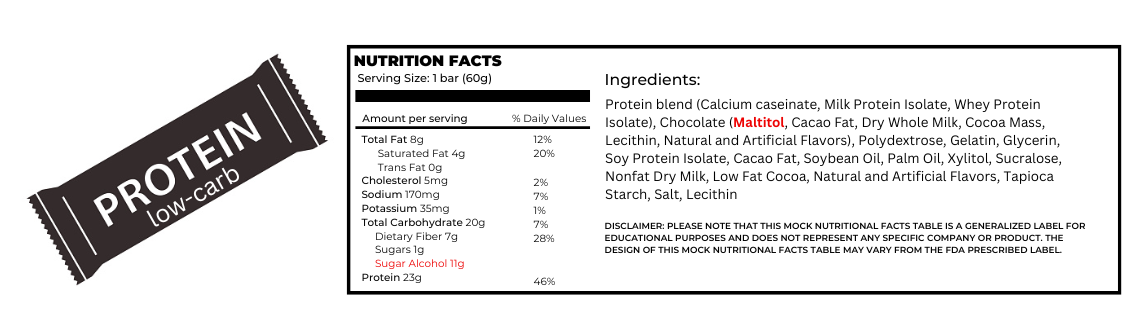
Mock Nutritional Facts table of a protein bar containing sugar alcohols.
Transparent packaging
Protein bar packaging has come a long way since its inception, with one significant innovation being the use of transparent packaging that allows customers to see the contents of the bar.
This innovation was a response to the increasing demand for healthy and natural snacks that do not contain artificial ingredients. By using transparent packaging, manufacturers are able to showcase the wholesome ingredients used in their bars and appeal to health-conscious consumers.
One notable example of a brand that uses transparent packaging is Kind Bars. The brand’s packaging features a clear film that allows customers to see the nuts, fruits, and other ingredients used in each bar. This has helped to build trust with customers who can see that the bars are made with real ingredients and no artificial additives.
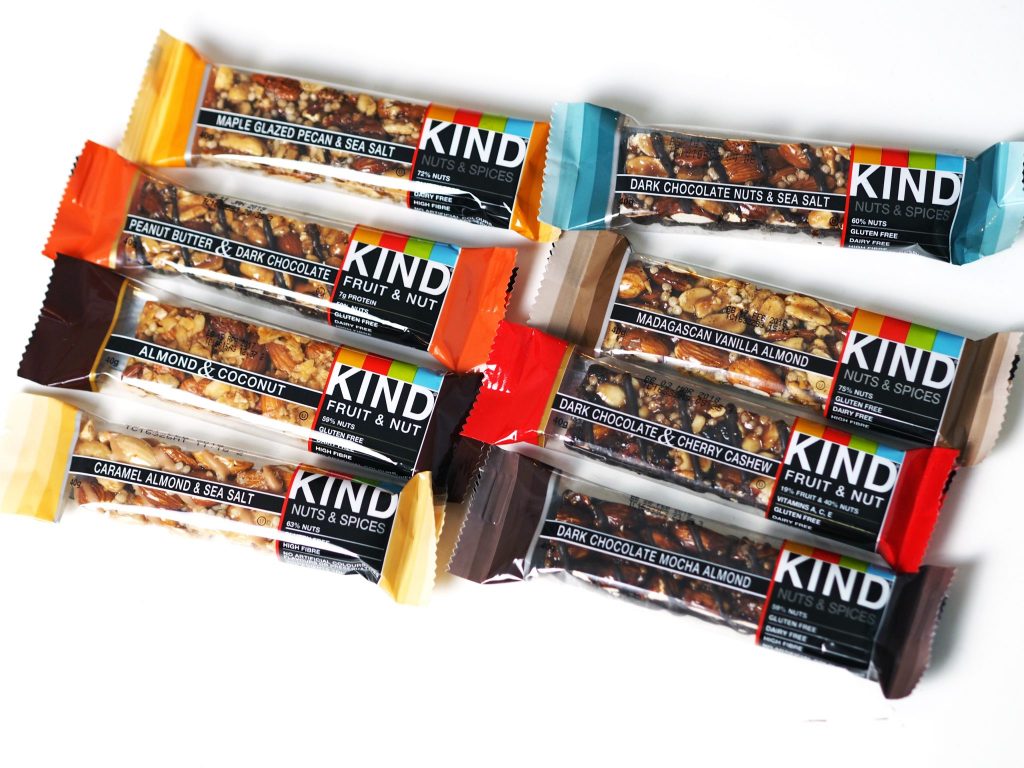
Disclaimer: no affiliation with the brand depicted in the image
In addition to the transparency aspect, clear packaging also has practical benefits, as it allows customers to quickly identify the flavor, especially if the brand offers multiple variants like Kind Bars does.
Kind Bars. Source: Laura Kate Lucas. https://laurakatelucas.com/2017/03/01/healthy-snacking-with-kind/
Chocolate companies entering the protein bar business
In recent years, popular chocolate makers have also entered the protein bar market, recognizing the growing demand for healthy snacking options.
Brands like Snickers, Mars, and Bounty have introduced protein bars that combine the indulgence of chocolate with the benefits of protein. These bars come in a range of flavors and are marketed as a convenient and delicious way to consume protein on-the-go.
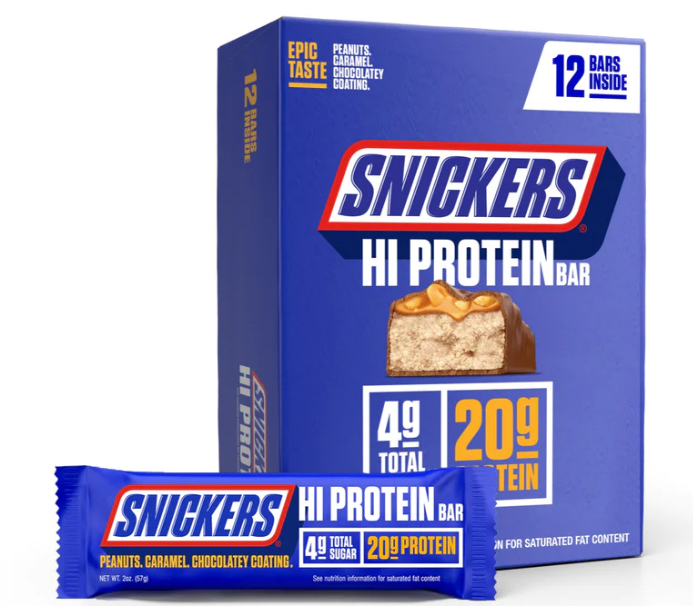
Snickers High Protein Bar. Source: https://www.snickershiprotein.com/ Disclaimer: no affiliation with the brand depicted in the image
Bite sized bars
In recent years, protein bars have become smaller and more bite-sized. This trend has been driven by several factors, including consumer demand for more convenient and portable snacks, as well as a desire to reduce the overall cost and calorie content of these products.
Smaller protein bars are generally less expensive to produce than their larger counterparts, which allows manufacturers to offer them at a lower price point.
Also, smaller bars typically contain fewer calories than larger ones, making them a more attractive option for individuals looking to manage their calorie intake.

An example of a smaller protein bar fro Clif. Source: https://www.clifbar.com/ . Disclaimer: no affiliation with the brand depicted in the image
“Simplistic” bars
Protein bars are moving towards a more simplistic approach, with an emphasis on using whole food ingredients and providing customers with a clear understanding of the nutritional value and whole-food equivalence of the bar.
This trend is in response to consumers’ increasing demand for healthy and natural snacks that do not contain artificial additives.
One example of a brand that has embraced this trend is Rx Bars. The brand’s packaging prominently displays the whole food ingredients used in each bar, along with a clear indication of the nutritional value of the bar. For example, some of their bars list the number of eggs, nuts, or dates used to make the bar, giving customers a better understanding of the nutritional equivalence of the bar to whole foods.
This approach is beneficial for customers who want to make informed choices about what they eat and prioritize whole food ingredients in their diet. It also allows customers to quickly and easily understand the nutritional content of the bar, making it easier to incorporate into their daily diet. Overall, the move towards simplistic, whole food-based protein bars is a positive trend that promotes transparency and healthy eating habits.
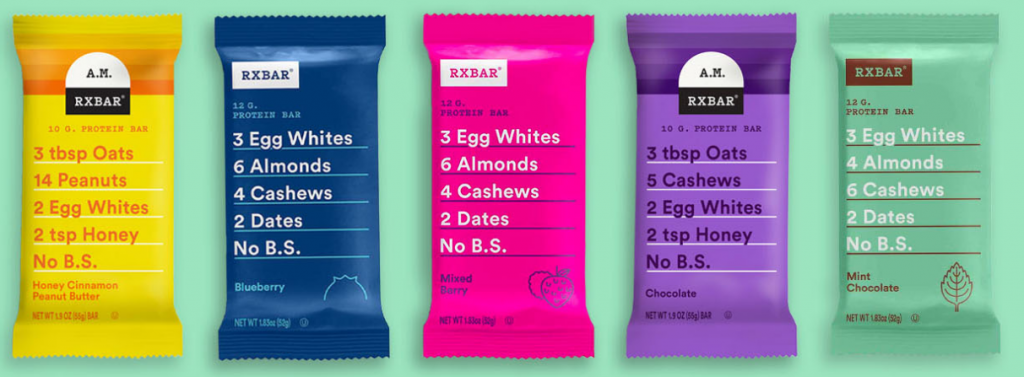
Disclaimer: no affiliation with the brand depicted in the image
The Rise and Rise of Plant-based protein bars
The protein bar market has diversified to include plant-based protein options. This trend has been driven by a growing demand for plant-based diets and a desire for more sustainable and environmentally friendly food options.
Plant-based protein bars typically contain ingredients such as pea protein, brown rice protein, and hemp protein, which are all rich sources of essential amino acids. These bars often have a similar protein content to their animal-based counterparts, but offer a different nutritional profile and a wider variety of flavors and textures.
Additionally, plant-based protein bars are often free from common allergens such as dairy and soy, making them a more inclusive option for individuals with dietary restrictions.
The future of protein bars
The future of protein bars is likely to involve a greater emphasis on sustainable and alternative protein sources.
Insect-based proteins like cricket and mealwork proteins are one such alternative that is gaining popularity due to their low environmental impact and high nutritional value. Protein bars lend themselves very well to insect protein powders as they offer a degree of masking, compared to powders.
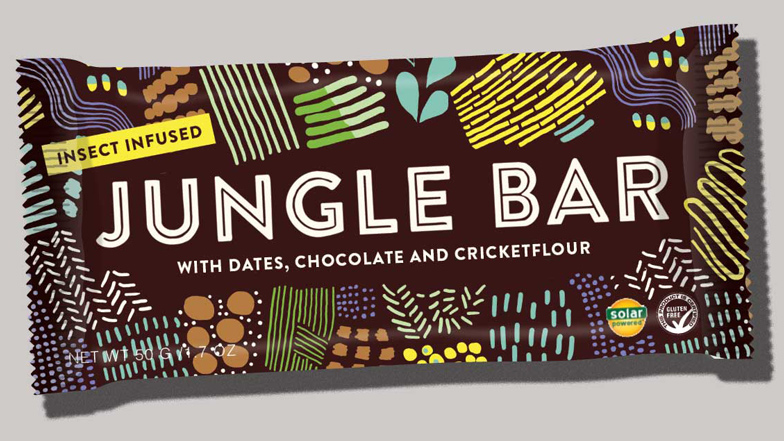
Jungle Bar, an example of a protein bar that has incorporated cricket flour in their formulation.
Upcycled foods: In addition, upcycled fruit and vegetable ingredients are also becoming more prevalent in protein bars, as they provide a sustainable way to use food waste while also adding a variety of nutrients and flavors.
Savoury protein bars: Another potential trend in protein bars is the development of savory options, which can appeal to consumers looking for a more satisfying snack or meal replacement option.

Functional bars: Functional bars go beyond protein content to target specific health goals and is an area that I am actively involved in. I investigate the inclusion into bars of diverse functional ingredient that confer benefits such as energy, gut health, and immune support. Functional bars are an increasingly popular alternative to traditional protein bars as they combine convenience with specific health benefits, catering to the evolving preferences of health-conscious consumers.
Overall, the future of protein bars is likely to see continued innovation and experimentation with ingredients and formulations, as brands strive to meet the demands of health-conscious and environmentally conscious consumers.
One thing is for sure, I will be watching the evolution of the market, studying consumer factors that will drive the protein bar value chain both as a student and professional, testing ingredients in my lab with a view of developing functional bars (and eating a whole lot of them!)

To view my Professional Profile on LinkedIn: please click here
To see my latest product creations: www.bioteenhealth.com
To view my Scientific Publications on PubMed: please click here
To get in touch, please write to: info@supplementscientist.com
Follow supplementscientist.com on Facebook: please click here
Medical disclaimer
The information presented on this website is intended for adults 18 or over. Its aim is purely educational and does not constitute medical advice. Please consult a medical or health professional before you begin any program related to exercise, nutrition, or supplementation especially if you have a medical condition. If you consume any product mentioned on our site, you do so on your own free will, and you knowingly and voluntarily accept the risks. © 2023. Supplementscientist.com






Leave a Reply