

In an era of “proprietary blends”, “ingredient synergies” and “matrices”, the quiet strength of single-ingredient supplements is re-emerging.
Yes, brands are still racing to out-stack each other with multi-compound formulas and cinematic flavour names. However, more discerning users are gravitating toward purity, toward supplements that don’t necessarily tell a big story, but serve a serious purpose.
In this article we will delve into two main formats of single ingredient supplements (plain/ bulk powders and single-ingredient capsules/ tablets), exploring why they are reclaiming their place as honest, flexible, and intelligent forms of supplementation.
The Target market
As the supplement market matures, there’s a growing demographic of:
-
Sports scientists and coaches wanting educational, clean-label foundations.
-
Clinicians and dietitians who prefer dose transparency for patient protocols.
-
Athletes and biohackers who reject “fluff blends” but still demand functionality.
In short: there’s significant space for a scientifically-branded single-ingredient line that bridges R&D authenticity with end-user empowerment — powder and capsule alike.
Pure Powders
Across the supplement landscape, single-ingredient powders are enjoying renewed popularity. Creatine, collagen, protein, single amino acids, and even carbohydrates
This is because consumers are increasingly opting for no-additive, unflavoured, or lightly flavoured versions. These are generally cheaper and adaptable to individual routines.
For brands, these minimalist formats are strategically efficient: fewer flavour systems, fewer excipients, less blending complexity while strongly aligning with a growing audience that values purity, control, and function over flash.
They are also less hassle to produce, and the removal of excipients directly reduces formulation cost and simplifies the procurement process.
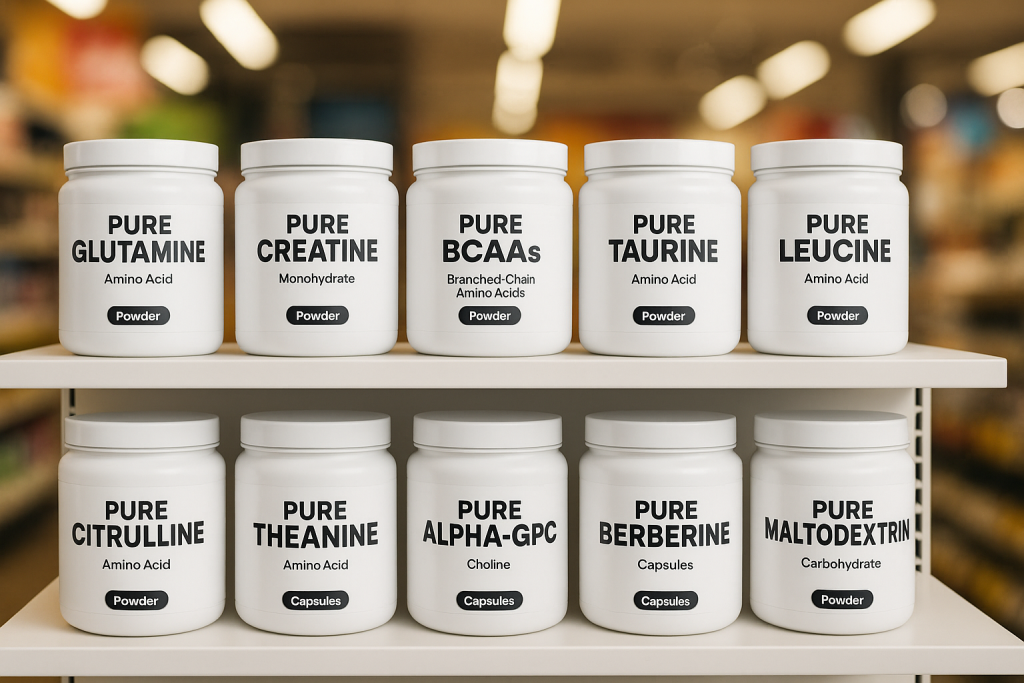
Why pure powders matter:
-
Precision control: The user decides whether they want 3 g or 5 g of creatine, or a custom ratio of beta-alanine to citrulline. They also allow for controlled experimentation, varying doses to study tolerance, adaptation, or synergy with other actives like carbohydrates or amino acids.
-
Stack flexibility: They integrate seamlessly into personal pre-, intra-, or post-workout blends.
-
Transparency & Purity: One label, one ingredient, no fillers or proprietary disguise.
-
Economy: Powders deliver cost-efficiency for high-dose or daily-use actives.
Scientific context:
Bulk forms are ideal for nutrients that require gram-level dosing — e.g., creatine monohydrate, beta-alanine, glutamine, taurine, or electrolytes.

The key Challenges of pure powders
The very freedom that bulk powders offer also demands discipline and precision.
A. Measurement & Safety
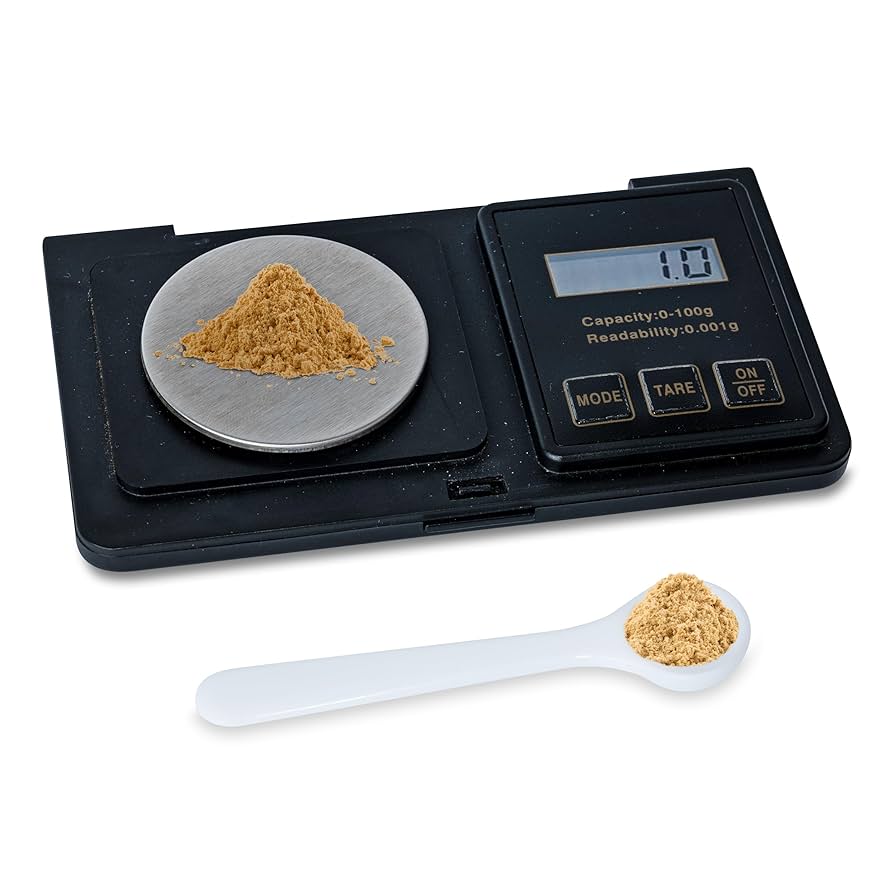
While gram-level actives like creatine or beta-alanine are relatively straightforward to measure, micro-level nutrients such as caffeine, certain vitamins, adaptogens, or nootropics require great care.
These cannot be safely “eyeballed” or casually scooped. Even a small miscalculation can double or triple a physiological effect.
Caffeine is a prime example. In pure powder form, even 200–300 mg looks like a dusting of flour. Yet that’s the equivalent of two to three cups of strong coffee. A single gram (a pinch too much) could cause serious cardiovascular effects. This is why pure caffeine is best avoided by untrained users, or used only through pre-measured capsules or professional formulations.
Hygroscopicity & Stability
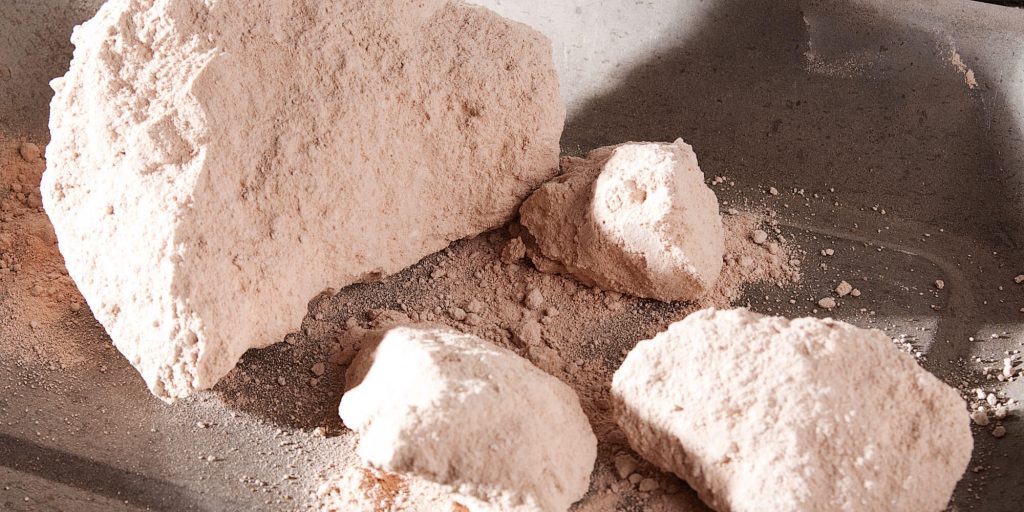
Some pure powders — especially amino acids, electrolytes, and herbal extracts — are hygroscopic, meaning they absorb moisture quickly and clump. Proper storage with desiccants, sealed jars, and dry utensils becomes part of the discipline.
However, precision is only half the challenge. The other lies in knowing what to combine, and why.
With so many single powders available, consumers often end up buying a “collection” of actives — beta-alanine, glycine, tyrosine, taurine, citrulline — but lack the biochemical logic to combine them purposefully. This vacuum is filled by online stacking advice, where formulas circulate on forums and social media without context, dosage rationale, or safety consideration.
Without understanding mechanisms — how caffeine interacts with theanine, how beta-alanine and taurine compete for transporters, or how citrulline influences blood pressure — freedom quickly turns into confusion.
Single Ingredient Capsules and Tablets
Capsules and tablets represent the clinical side of single-ingredient supplementation. Where powders serve freedom, capsules serve discipline.
Advantages:
-
Standardised dosing: Eliminates measurement errors, ensuring consistent intake over weeks or months.
-
Convenience: Perfect for travel, stacking, or professional users who value adherence over experimentation.
-
Compliance and sensory neutrality: Useful for actives that taste unpleasant (e.g., acetyl-L-carnitine, NAC, alpha-lipoic acid).
-
Precision in sub-gram doses: Ideal for micronutrients, adaptogens, and nootropics that act in milligrams rather than grams.
The Limitations of Single-Ingredient Supplements
The simplicity that makes single-ingredient products so honest can also make them incomplete.
1. Loss of Synergy
Not always do nutrients work well alone.
Calcium needs Vitamin D
Caffeine’s stimulation is balanced by L-theanine.
When these ingredients are separated, the body’s overall response can weaken — unless the user knows how to rebuild that synergy.
A good formula doesn’t just mix ingredients; it orchestrates them. That orchestration is often what single-ingredient users lose if they don’t understand the science behind it.
2. Burden of Knowledge
Freedom comes with responsibility.
Building your own stack means understanding:
-
How ingredients are absorbed
-
When they should be taken
-
What doses are effective
-
How they interact
For most people, that can quickly become confusing — leading to overlaps, missed doses, or unnecessary combinations.
3. Compliance and Consistency
Opening six tubs and measuring six scoops every day takes effort.
Many users try pre-blending their own mixes, only to find the powder clumps, changes taste, or becomes unstable.
Even the most disciplined users eventually return to ready-made formulas, not out of laziness, but because they’re easier to stick with.
4. Loss of Sensory Experience
Let’s be honest — taste matters.
Part of what makes modern supplements enjoyable is their flavour and ritual.
Plain, unflavoured powders may be practical, but they can also feel dull or medicinal.
For younger users, this lack of enjoyment can make consistency difficult.
Bottom Line
The next phase of supplementation isn’t about bigger blends — it’s about precision, purity, and personalisation.
It’s about knowing exactly what you’re taking, why you’re taking it, and how it supports your body.
Single-ingredient powders and capsules will remain the quiet foundation of the industry’s future.
They don’t need hype — their honesty is the innovation.






Leave a Reply